

Lesson 1 – Safety – Below are the videos included in this lesson. Click on the video to watch.

Lesson 1 Safety

Auto Body and Paint PPE

Introduction to OSAH
Industrial Ergonomics
Air Gun Safety

Environmental Assistance for Your Small Business
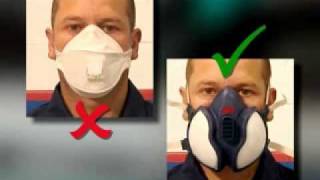
3M Bodyshop PPE

EPA 6H Overview
-
Lesson 1 Safety
Lesson Summary: Million-Dollar Safety – Because You\'re Worth It In this lesson, we explored the importance of safety in the auto body shop by comparing it to caring for a million-dollar car. The idea is simple: if you’d go to great lengths to protect a custom-built vehicle, why not treat yourself with the same level of care? Your health, your eyesight, your hearing, and your life are far more valuable than any car — and yet, too often, safety gets overlooked in favor of speed or habit. This lesson emphasized the need for consistent use of personal protective equipment (PPE), understanding OSHA regulations, reading Material Safety Data Sheets (MSDS), and practicing safe habits with tools, lifts, and hazardous materials. We discussed the real risks of injuries from grinders, paint fumes, improper lifting, and exposure to chemicals, and highlighted how most of these risks are entirely preventable. Ultimately, the message is clear: safety isn’t just about rules or passing a test — it’s about protecting yourself so you can enjoy a long, healthy career doing what you love. If you\'d treat a car like it\'s priceless, it\'s time to treat yourself the same way. -
Auto Body and Paint PPE
-
Introduction to OSAH
This training video will teach you all about OSHA. The training discusses the history of OSHA, employee rights under OSHA, employer responsibilities, how to file a complaint with OSHA, and more. -
Industrial Ergonomics
This industrial ergonomics training will teach your employees how to protect their bodies from repetitive and other workplace injuries. The video teaches viewers how to protect their back, use the neutral position while working, and much more. If you are looking to prevent injuries at your job site, this ergonomics training video will ensure your employee know how to position their bodies while working. -
Air Gun Safety
Covers Air Gun Safety in the Workplace Including Such Important Topics as: OSHA regulations concerning use of compressed air for cleaning 29CFR 1910.242(b) Complying with OSHA standards Debunking the 30 psi myth Importance of chip guarding Maximizing safety air gun operating efficiencies OSHA regulations concerning noise 29 CFR Part 1910.95(a) Selecting the proper safety air gun for your application Reinforcing safe practices operating efficiencies -
Environmental Assistance for Your Small Business
-
3M Bodyshop PPE
A brief introduction from 3M on what you should and shouldn\'t be wearing in the Bodyshop. -
EPA 6H Overview
Million-Dollar Safety: Because You’re Worth More Than a Car
“Safety is something that happens between your ears, not something you hold in your hands” ~Jeff Cooper
Introduction
Auto Body Safety—you know, the part nobody’s excited about… until things go sideways. Think of it like putting on your seatbelt before a wild ride—boring, but essential. Here, you’ll walk through the must-use gear (yes, even those safety glasses), the “stab-yourself-with-a-tool” hazards, and why a jack alone is like a diet cookie: looks good, but don’t trust it. We’ll also tackle handling hazardous materials (your disposal plan matters!), and why tiny cuts can morph into bigger health nightmares—don’t let the metal win.
This isn’t just safety theater—it’s your future self telling you they want to watch another day. Buckle up (literally and figuratively), because you—and that car—matter.
Learning Objectives
By the end of this lesson, you will be able to:
- Understand the importance of personal safety in an auto body shop environment.
- Identify common PPE and explain why each is essential.
- Recognize safety laws and regulations (OSHA, MSDS, 6H, etc.).
- Apply safe practices when working with tools, lifts, hazardous materials, and more.
- Develop a personal mindset of safety — not just to pass a test, but to protect your future.
A Million-Dollar Car vs. You
Let’s be real: most of us got into this industry because we love cars — not because we love PPE and warning labels.
But imagine this:
You have an endless budget and want to build the ultimate million-dollar car, something so stunning that even Chip Foose would be jealous. This car is going to require hours of meticulous work and a small fortune. Could you picture it? You’d take tremendous pride in it, right?
Now, let’s have some fun with this thought experiment. If someone suddenly offered you that car in exchange for your eyesight, your leg, or, heaven forbid, your life, would you take it? The answer is a resounding **NO!** Most of us understand that while cars are valuable, our health and well-being are priceless.
A Reality Check
So, if you wouldn’t trade your health for a shiny new ride, why are many of us so quick to ignore safety? Perhaps you’ve seen it on TV shows or noticed it in some body shops: people grinding away without eye protection or painting without a respirator as if they’re invincible. Spoiler alert: they’re not!
Remember:** Your health is your wealth! Take care of yourself as diligently as you’d care for that million-dollar masterpiece.
Over-Exaggeration or Reality?
Sure, it might sound like I’m over-exaggerating. Still, each year, countless technicians suffer from eye injuries or sensitivity to paint chemicals. And guess what? Most of these injuries are entirely preventable!
How to Prevent Injuries: A Safety Checklist
Let’s get serious about Personal Protective Equipment (PPE) that’s essential in any auto body shop. Here’s a quick rundown that’s both informative and perhaps a tad humorous—you’ll want to remember these!
1. Eye Protection**: Ever tried looking through a kaleidoscope? Well, that’s what poorly functioning eyes can feel like! Invest in a good pair of safety goggles.
2. Dust Masks**: When sanding or grinding, wear a dust mask. Breathing in that stuff isn’t just “extra seasoning,” it’s a recipe for lung issues!
3. **Respirator**: Those paints can have some nasty chemicals. You wouldn’t want to turn into a human paint sprayer, would you? Strap on that respirator when you’re spraying—your lungs will thank you.
4. Gloves**: Chemical-resistant gloves are a must! We don’t want those chemicals sneaking through your skin like unwanted party guests.
5. Hearing Protection**: If things get noisy, protect those ears! You don’t want to be the one at the family reunion who shouts, “What? Huh?” for the rest of your life.
Safe Lifting: Jacks, Jack Stands, and Lifts
When working under a car, let’s play it smart. Jacks are like that friend who always needs your help but can’t be trusted to hold their weight. They’re great at lifting the car, but when it comes to support? Not so much.
Why Not Trust the Jack?: Jacks can slip or malfunction. Imagine the scene: you’re happily working away, and suddenly, you’re playing a game of “pinball” under a car! Not fun, not safe. Always secure the vehicle with jack stands.
Wheel Chocks
When jacking up a car, don’t forget to engage the emergency brake and use wheel chocks. Think of them as the car’s safety blankets, keeping everything snug and secure.
Shop Lift Safety
If you’re using a lift, remember to check underneath the car before raising it. Correctly placing the lift arms is a must. Otherwise, you might end up with a heavily modified car and a severely damaged ego.
Conclusion
Safety doesn’t have to be a dry topic filled with rules and regulations. Think of it as an investment—not just for your car, but for your life. Practicing good safety habits means you can continue to enjoy building those dream cars for years to come.
So, the next time you gear up for a project, ask yourself: Would you treat your health with the same care you’d give to a million-dollar car? If the answer is no, it’s time to change gears!
Stay safe, stay smart, and keep building!
Safety Key Terms
EPA: Environmental Protection Agency
Isocyanates: This is the chemical in many paint products that is very unhealthy and can cause many health defects.
MSDS: Material Safety Data Sheet – This is a form that products have, which states all the chemicals, ingredients, hazards, etc., regarding the specific product. NOTE: By law, body shops must provide or have available the MSDS sheets for the products used at the business.
OSHA: Occupational Safety and Health Administration
PPE: Personal Protective Equipment
TDS: Technical Data Sheet – These are the directions for how to use a specific product. May also be referred to as the procedure pages. I believe this should be read on every product used. This will help you eliminate many common mistakes.
VOC: Volatile Organic Compounds – These are solvents that become airborne during the spraying and evaporation of paint products. VOC is a major concern for the EPA, and developing ways to reduce VOCs is a priority.
Discussion Questions
- Would you trade your eyesight for a million-dollar car? What about your ability to breathe clearly?
- Why is it unsafe to rely on a jack without jack stands?
- What should you do before using a grinder or cut-off wheel?
- Name three types of PPE and when you should use them.
- What is the purpose of an MSDS/SDS, and where should it be located?
Final Word
“Safety First” isn’t just something we hang on a poster and ignore.
It’s your real-life body we’re talking about.
And if you’d treat a car like royalty, treat yourself like the king or queen as well.
Safety Quiz
Lesson 1 Quiz
Now test your knowledge. There is no time limit set on this quiz, so take your time. Find the correct answer if you are unsure. The objective of this quiz is to help you learn the information, not to guess. Good Luck!
www.CollisionBlast.com/Module1Quiz – Password (simple)